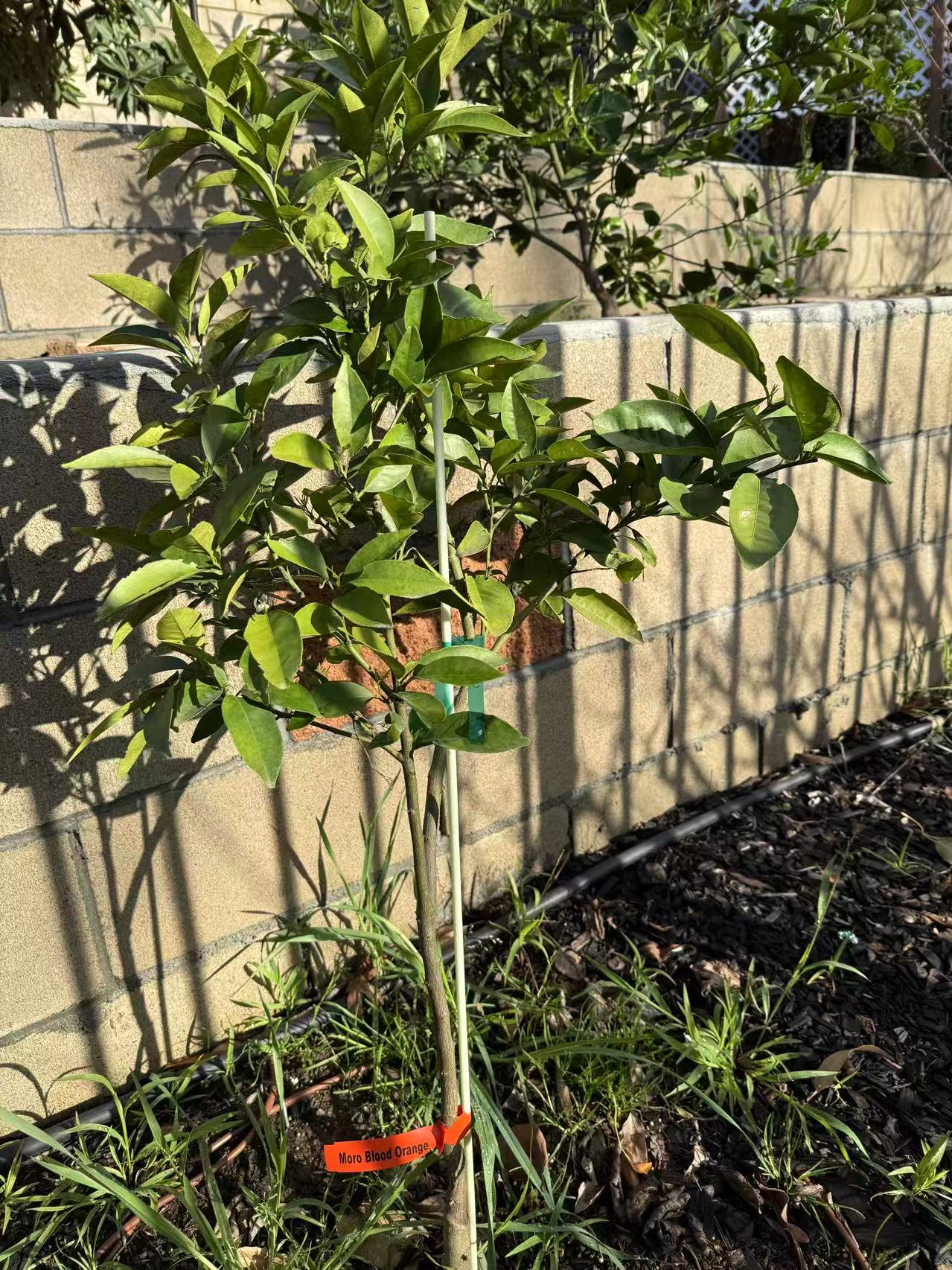
Tag: tm-02

  • Moro Blood Orange

    Moro Blood Orange

    🍊 Plant Profile: Moro Blood Orange

    📊 Basic Info

    • Variety: Moro Blood Orange (Semi-Dwarf)
    • Planting Date: December 2023
    • Source: Four Winds Growers
    • Yield Performance: ★☆☆☆☆ (Recovering from leafminer stunting; positioned for a major comeback this year due to proactive pest control)
    • Flavor Profile: The most deeply colored of all blood oranges. The flesh ranges from dark red to deep burgundy, offering a rich, sweet-tart flavor with distinct, intense notes of raspberry and blackberry.

    📖 Variety Overview

    The Moro is the most popular commercial and backyard blood orange in California, renowned for being the earliest to ripen.

    • The Chill Factor: Unlike the Cara Cara (which is pigmented by lycopene), the Moro gets its spectacular color from anthocyanins. It actually requires the chilly winter nights of Rowland Heights to fully develop its dark red pigmentation.
    • Growth Habit: Grafted onto a Semi-Dwarf rootstock, it will stay relatively compact, making it incredibly manageable for routine pest-control spraying and harvesting in a raised planter bed.

    📅 Precise Ripening Months

    The Moro brightens up the winter orchard just when you need fresh citrus the most:

    • Expected Harvest: December to March.
    • Peak Quality Month: January and February.
    • Harvesting Tip: You will often see a red blush developing on the outside of the rind—this is a great indicator that the inside is deeply pigmented. Leaving them on the tree through the coldest winter nights guarantees the deepest color and strongest berry flavor.

    📝 My Gardening Notes

    • The Sibling Struggle: Planted alongside the Cara Cara in late 2023 from Four Winds. Both trees endured heavy Citrus Leafminer attacks over the past two years, which severely stunted their vegetative growth.
    • The 2026 Turning Point: Learning from past seasons, I applied a pre-emptive pesticide strike the moment the spring buds appeared. The core mission for 2026 is to protect this spring flush at all costs to rebuild the canopy.

    🛠️ Care & Maintenance (The Spring Flush Defense)

    • Maintain the Shield (Crucial): One spray is not enough. I must reapply the treatment (Neem Oil or Spinosad) every 7 to 10 days until the new tender leaves fully harden off and turn dark green. Once the leaves harden, the leafminer moth can no longer lay eggs inside them.
    • Fuel the Growth: Since the new buds are protected, I will apply a high-quality organic citrus fertilizer as the weather warms up to fuel rapid branch extension.
    • Patience with Damage: I will resist the urge to prune off last year’s distorted, curled leaves just yet. They are still providing valuable solar energy to the tree. They will be removed only after a robust new canopy is established this summer.
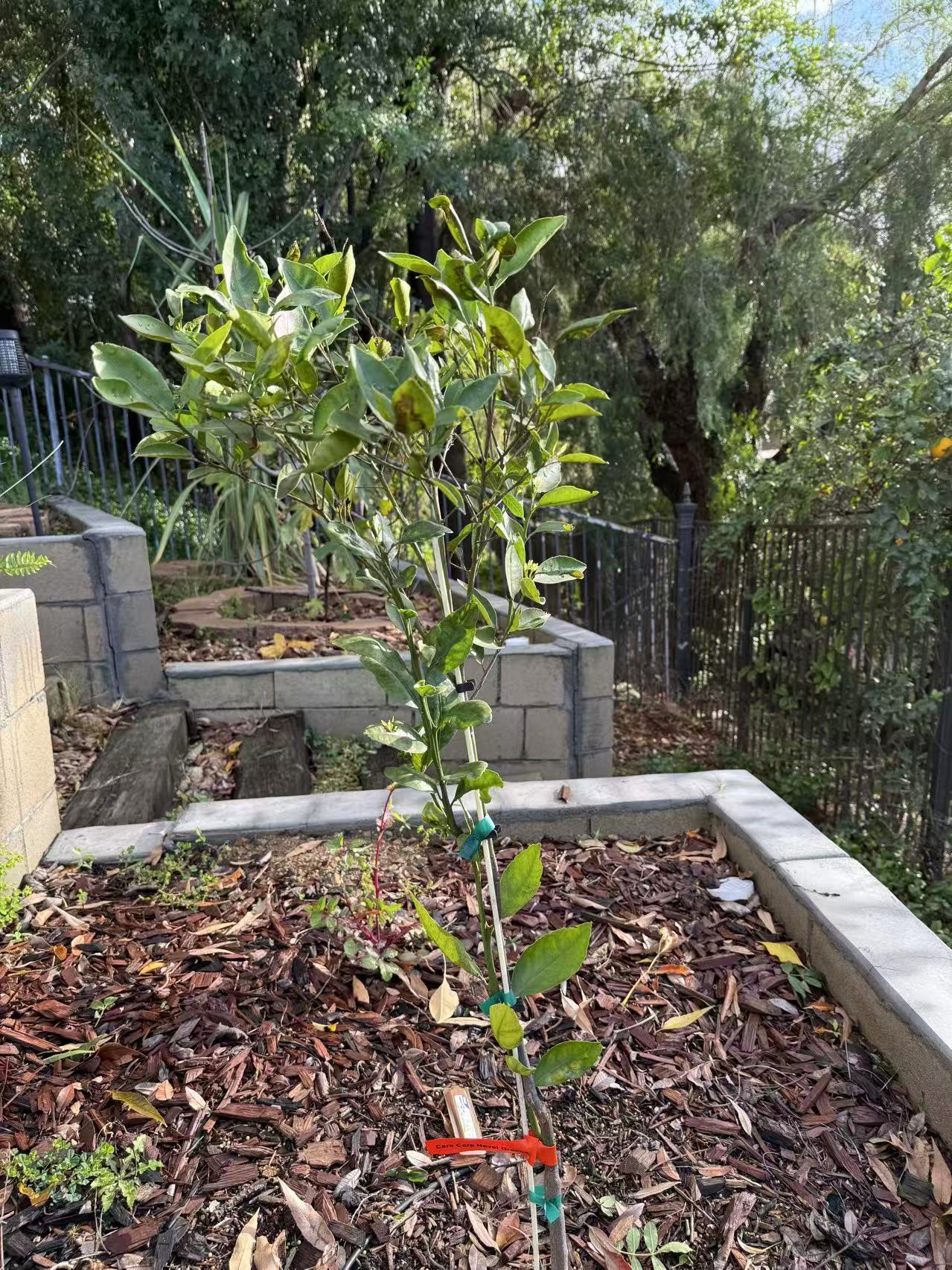
  • Cara Cara Navel Orange

    Cara Cara Navel Orange

    🍊 Plant Profile: Cara Cara Navel Orange

    📊 Basic Info

    • Variety: Cara Cara Navel Orange
    • Planting Date: December 2023
    • Source: Four Winds Growers
    • Yield Performance: ★☆☆☆☆ (Currently in a recovery phase after pest damage; focusing on vegetative growth)
    • Flavor Profile: Famous for its seedless, beautiful pinkish-red flesh. It is exceptionally sweet with much lower acidity than standard oranges, often boasting subtle notes of cherry or blackberry.

    📖 Variety Overview

    The Cara Cara is a naturally occurring mutation of the Washington Navel orange and is universally beloved in Southern California.

    • The Premium Orange: Because its pink color comes from lycopene (the same antioxidant found in tomatoes) rather than anthocyanins (like blood oranges), it doesn’t need freezing winter temperatures to develop its stunning internal color.
    • Resilience: The tree is currently showing the classic signs of Citrus Leafminer damage (curled, distorted leaves). While unsightly, young citrus trees are remarkably tough and can bounce back vigorously once their roots are established.

    📅 Precise Ripening Months

    As a classic winter fruit, it brightens up the orchard when most other deciduous trees are bare:

    • Expected Harvest: December to March.
    • Peak Quality Month: January and February (Leaving the fruit on the tree into the new year allows the acids to drop completely, resulting in maximum sweetness).

    📝 My Gardening Notes

    • Premium Start: Sourced from the highly reputable Four Winds Growers in late 2023.
    • The Struggle: The growth has been somewhat sluggish, largely due to a heavy Citrus Leafminer infestation last year. The tree spent more energy surviving than growing. However, with the root system now two years in the ground, 2026 is primed to be its comeback year.

    🛠️ Care & Maintenance (The 2026 Recovery Plan)

    • Leafminer Defense (Crucial): As soon as the first flush of tender, light-green leaves emerges this spring, I will treat the foliage with Neem Oil or Spinosad regularly. Protecting this new flush from the leafminer moth is the #1 priority for growth.
    • Leave the Ugly Leaves: Although the curled, damaged leaves from last year look terrible, I will not remove them yet. They are still photosynthesizing and providing vital energy. I will only prune them away once a healthy, new canopy is established.
    • Spring Feeding: Once the weather consistently warms and buds swell, I will apply a high-quality organic citrus fertilizer with micronutrients (Iron, Zinc, Manganese) to fuel a massive spring growth spurt.
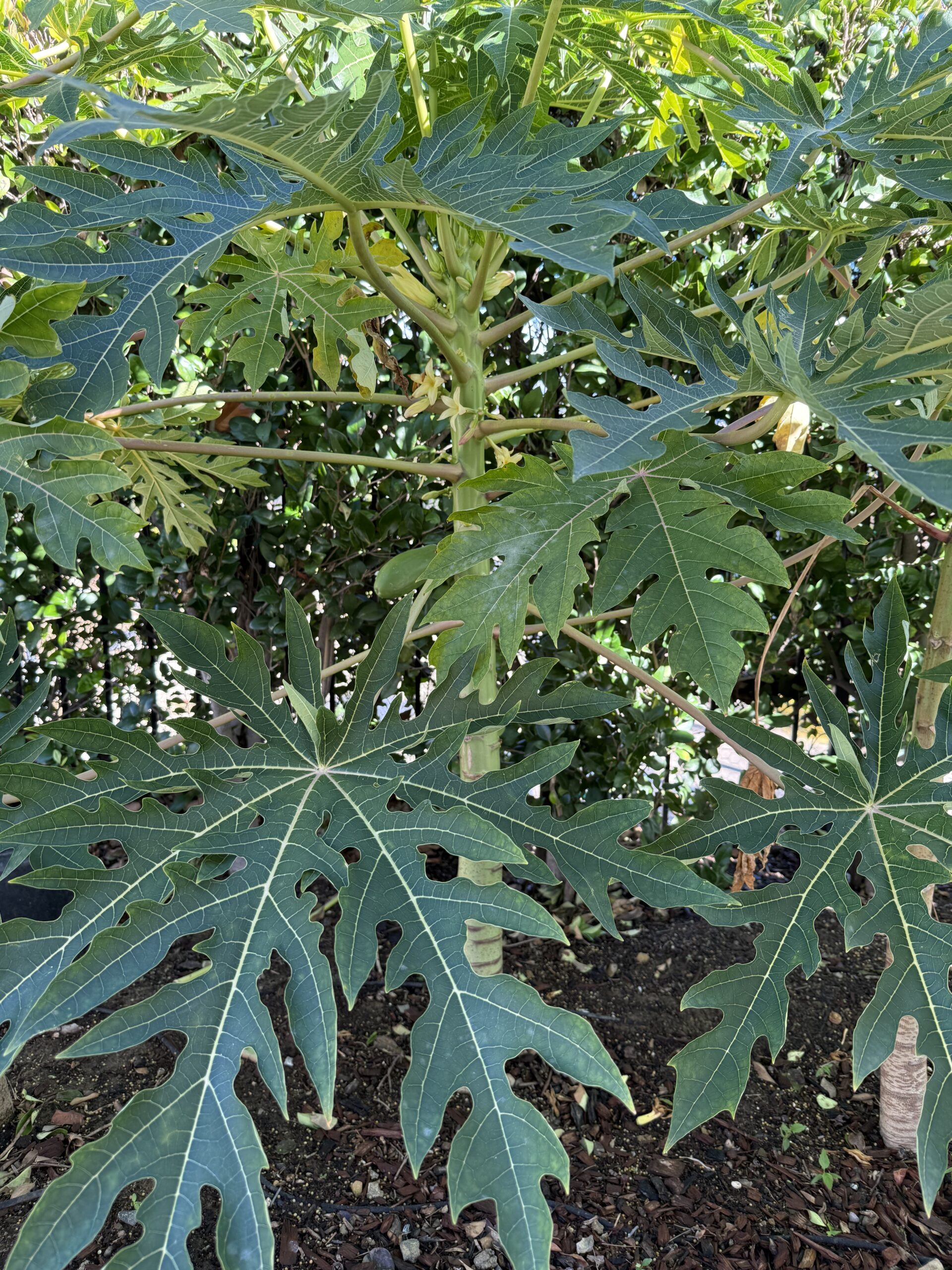
  • Solo Sunrise Papaya

    Solo Sunrise Papaya

    🧡 Plant Profile: Solo Sunrise Papaya

    📊 Basic Info

    • Variety: Solo Sunrise Papaya
    • Planting Date: Summer 2025 (Member of the 6-papaya grove)
    • Yield Performance: ★★★★☆ (High fruit set with compact clusters)
    • Fruit Traits: Classic pear-shaped “solo” fruits; deep orange-pink flesh; perfect single-serving size.

    📖 Variety Overview

    The Solo Sunrise is the crown jewel of Hawaiian-style papayas, beloved for its gourmet quality and perfect individual portions.

    • Appearance: Produces smaller, uniform fruits (typically around 1 lb each). The skin turns a beautiful sun-kissed yellow when ripe, contrasting with its vibrant reddish-orange interior.
    • Flavor Profile: Renowned for its high sugar content and delicate floral aroma. The flesh is smoother and slightly softer than the Maradol, offering a quintessential tropical dessert experience.
    • Growth Habit: It thrives in high-heat environments with full sun. In the Rowland Heights climate, it has shown vigorous growth since being planted last summer.

    📝 My Gardening Notes

    • The Tropical Grove: This marks the third tree in my ambitious 6-papaya planting project from Summer 2025.
    • Productivity: Like its companions, it wasted no time and began fruiting by late 2025. It’s fascinating to see the smaller, more compact fruit clusters of the Sunrise compared to the larger Maradol next to it.

    🛠️ Care & Maintenance

    • Sugar Boost: To maximize the sweetness this variety is known for, I maintain a steady organic feeding schedule, occasionally supplementing with kelp-based nutrients.
    • Sun Exposure: Given that I have 6 trees growing, I ensure that the Solo Sunrise isn’t shaded out by its larger neighbors, as sunlight is key to its fruit quality.
    • Winter Watch: I monitor the crown of the tree closely during the cooler Rowland Heights winter mornings to ensure the sensitive growing tip remains healthy and frost-free.
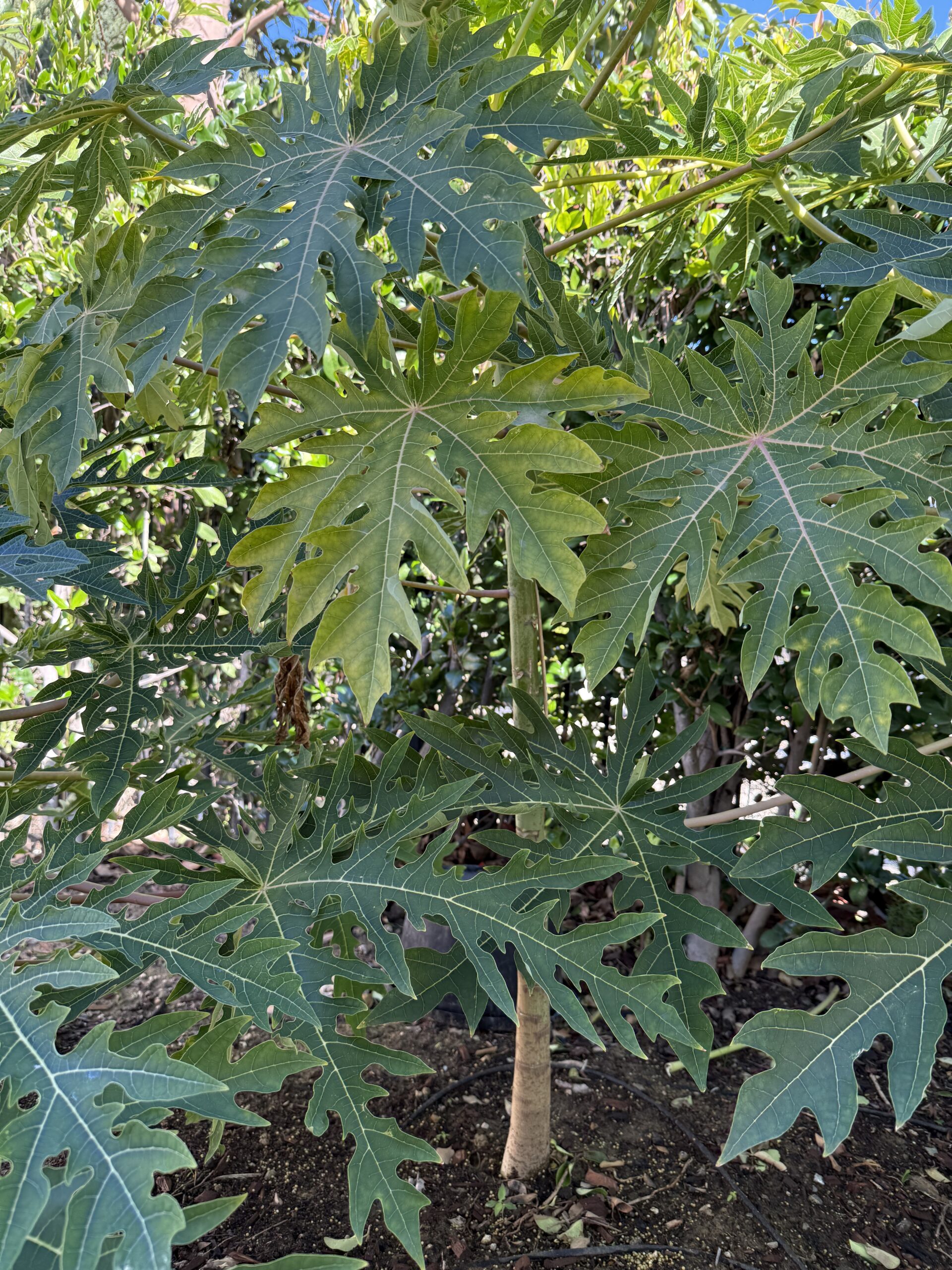
  • Linda Papaya

    Linda Papaya

    🧡 Plant Profile: Linda Papaya

    📊 Basic Info

    • Variety: Linda Papaya
    • Planting Date: Summer 2025
    • Yield Performance: ★★★★☆ (Dwarf variety; fruits earlier and lower on the trunk)
    • Fruit Traits: Medium-sized fruit with thick, refined flesh; known for its exceptional sweetness and lack of musky aftertaste.

    📖 Variety Overview

    The Linda variety is a “premium” selection for papaya enthusiasts, favored for its manageable size and superior eating quality.

    • Appearance: Unlike the Red Maradol, Linda is characterized by a more compact, dwarf stature. The ripe fruit features a smooth, golden-yellow skin and vibrant orange-red flesh.
    • Flavor Profile: It is celebrated for its honey-like sweetness and silky texture. With very low fiber, it offers a “melt-in-your-mouth” experience that is rare among common varieties.
    • Growth Habit: Its dwarf nature makes it particularly sturdy against the occasional winds in Rowland Heights, keeping the fruit within easy reaching distance.

    📝 My Gardening Notes

    • The Collection: This is the second of the six papayas I introduced to the garden in Summer 2025.
    • Fruiting Timeline: Consistent with its neighbors, it began showing fruit by the end of 2025. It has adapted beautifully to the local soil and is currently supporting a healthy set of developing fruit.

    🛠️ Care & Maintenance

    • Canopy Management: I regularly remove older, yellowing lower leaves to improve airflow, which is crucial for preventing pest issues like spider mites during dry California spells.
    • Nutrient Balance: To maintain its signature high sugar content, I ensure a steady supply of micronutrients, specifically Boron and Magnesium, alongside standard organic fertilizers.
    • Moisture Stability: Using my smart irrigation system, I maintain consistent soil moisture to prevent the fruit from splitting, a common risk for high-sugar varieties during temperature fluctuations in Rowland Heights.
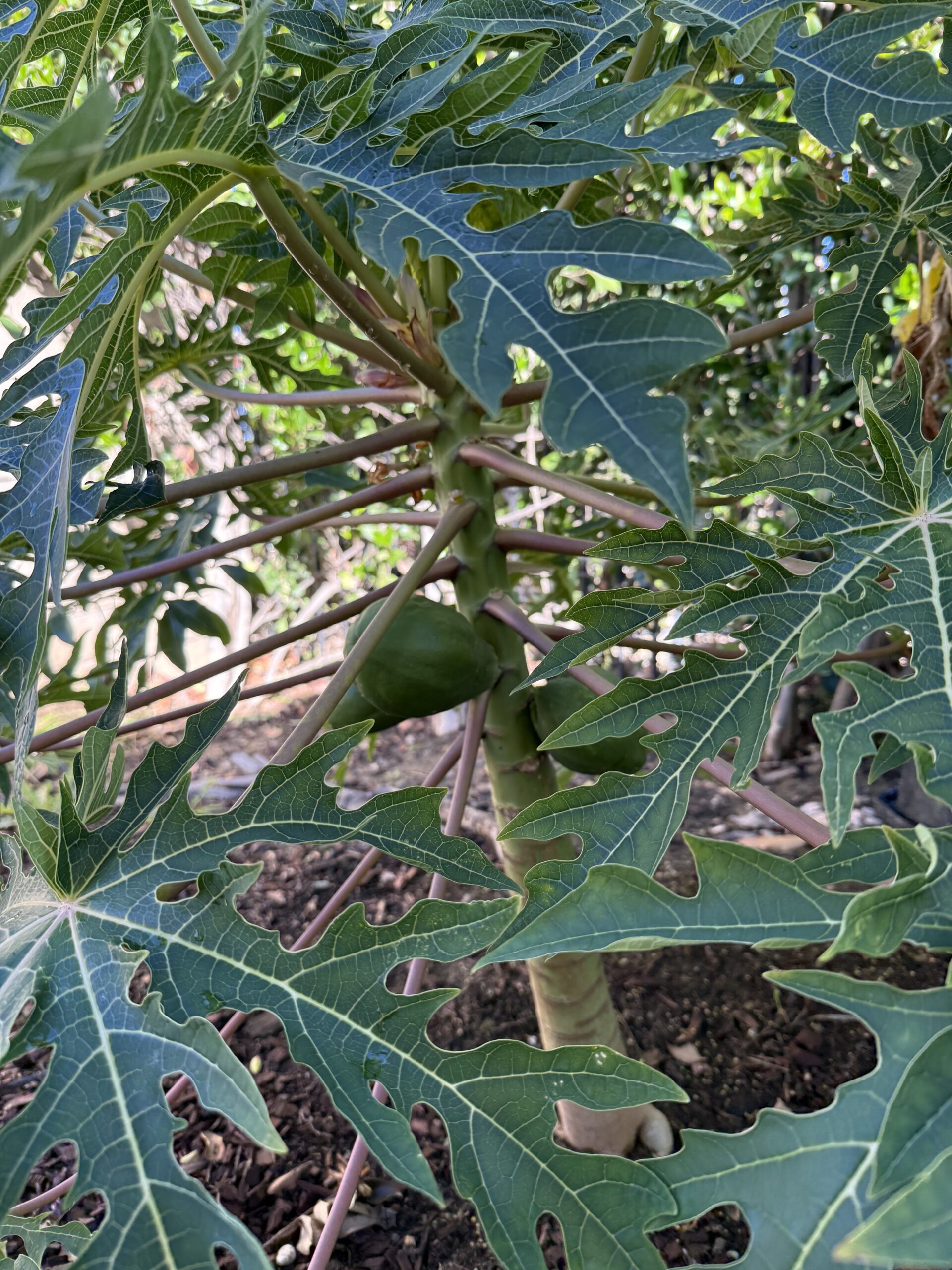
  • Red Maradol Papaya

    Red Maradol Papaya

    🧡 Plant Profile: Red Maradol Papaya

    📊 Basic Info

    • Variety: Red Maradol Papaya
    • Planting Date: Summer 2025 (One of 6 trees planted simultaneously)
    • Yield Performance: ★★★★☆ (Rapid growth, fruiting started within 6 months)
    • Fruit Traits: Large, heavy fruit with deep orange-red flesh; exceptionally sweet with a hint of musk.

    📖 Variety Overview

    The Red Maradol is widely considered the “Gold Standard” of papayas, beloved for its consistent quality and impressive size.

    • Appearance: Distinctive oblong shape. As it ripens, the skin shifts from green to a vibrant yellow with a reddish blush, revealing stunning deep-red flesh inside.
    • Flavor Profile: It boasts a high sugar content and a firm yet buttery texture. Unlike some varieties, it lacks the “musky/earthy” aftertaste, offering a pure, tropical sweetness.
    • Growth Habit: Known for its precocity (early fruiting). It has thrived in the sunny climate of Rowland Heights, showing incredible vigor since day one.

    📝 My Gardening Notes

    • The “Sensational Six”: In the summer of 2025, I planted a group of 6 papaya trees to create a mini tropical canopy in the yard.
    • Early Success: I was amazed to see them begin fruiting by the end of 2025—less than six months after planting. This particular tree currently has 3 large, healthy fruits developing beautifully.

    🛠️ Care & Maintenance

    • Winter Protection: Since papayas are true tropicals, I pay extra attention to mulching and root protection during the cooler Rowland Heights winter mornings.
    • Heavy Feeding: Papayas are heavy feeders. With 6 trees growing at once, I’ve increased potassium and phosphorus supplementation to support the rapid fruit development.
    • Smart Irrigation: I keep the soil consistently moist but never waterlogged. My irrigation setup ensures deep watering at the base while keeping the foliage dry to prevent disease.
  • Orchard Diary: Winter Pruning & Soil Care

    Orchard Diary: Winter Pruning & Soil Care

    ✂️ Orchard Diary: Winter Pruning & Soil Care

    📍 Core Task Info

    • Task Name: Winter pruning, orchard clearing, and basal fertilization.
    • Best Timing: December to February (The golden dormancy period for fruit trees in Southern California).
    • Target Objects: Clearing dead wood for deciduous trees (peaches, jujubes, figs), vines (grapes, blackberries), and evergreen trees (citrus, avocados).
    • Core Purpose: Storing energy, improving light penetration, breaking the pest overwintering cycle, and laying a solid foundation for explosive blooming and fruiting in the spring.

    📖 Why is Winter Care So Important?

    In California, although we don’t have severe freezing winters, the deciduous plants in the orchard still enter a precious dormancy period as temperatures drop and daylight shortens. Sap flow is slow right now, making it the absolute best time to bring out the pruning shears.

    • Reallocating Energy: Pruning leggy and excess lateral branches forces the fruit trees to direct their limited nutrients strictly to the flower buds in the spring. This directly determines your yield and fruit size for the year.
    • Establishing a Microclimate: Early spring in Southern California often brings rain. Timely thinning of the inner canopy allows ventilation and sunlight to penetrate, which greatly reduces the chance of fungal infections.
    • Soil Recharging: After a full year of crazy growth and heavy fruiting, the soil nutrients are heavily depleted. Applying basal fertilizer during the winter rainy season allows the moisture to slowly carry organic matter deep into the root zone.

    📓 My Orchard Practice Record

    January and February are my busiest, yet most enjoyable, times in the orchard. Watching each tree shed its messy overgrowth under my shears and reveal a clear, strong structure is like carving a piece of art.

    • “Major Surgery” for the Deciduous Group: The White Peach, Donut Peach, and Big-Fruit Hawthorn are my primary focus. I ruthlessly cut off crossing and inward-growing branches to train the canopy into an “Open Center” shape, allowing direct sunlight to reach the inside. The Black Mission Fig and Shanxi Jujube also get appropriate heading back to control their height and stimulate new shoots.
    • “Out with the Old” for the Vines: The pruning principles for the Kyoho Grape and Triple Crown Blackberry are simple but must be firm. I cut the grayish-white old vines that fruited last year right down to the base, and tie the newly emerged, strong green vines evenly onto the white trellis.
    • “Fine-Tuning” the Evergreen Group: The Washington Navel, Valencia Orange, and Hass/Fuerte Avocados are still lush and green in the winter. For them, I only do very light pruning: removing dead, diseased, or weak branches in the inner canopy, as well as low-hanging branches touching the ground, to prevent soil-borne pathogens from splashing onto the leaves.

    🛠️ Key Technical Points

    • Sanitize Tools (Prevention First): Between pruning different trees, I always wipe my pruning shears with rubbing alcohol spray or wipes. Especially during the California winter rainy season, unsterilized shears can easily become an accomplice in cross-spreading citrus canker or other diseases.
    • Thorough Orchard Clearing: Pruned dead branches, fallen leaves on the ground, and mummified fruits (mummies) left on the trees must all be cleared out of the orchard. This is the most effective physical method to cut off the overwintering lifeline for pests like the Oriental fruit moth and leafminers.
    • “Chop and Drop” for Banana Trees: After harvesting the Ice Cream Bananas, the mother plant loses its purpose. I decisively chop it down, cut it into chunks, and pile them directly at the base of the banana clump. They are rich in water and potassium, making them an excellent natural fertilizer.
    • Winter Feeding & Mulching:
      • Fertilizing: Shallowly bury composted chicken or cow manure around the drip line to provide sufficient NPK (Nitrogen, Phosphorus, Potassium) for spring budding. For acid-loving plants like the O’Neal Blueberry, this is also the perfect time to add a soil acidifier.
      • Mulching: After fertilizing, apply a 2-3 inch thick layer of wood mulch over the exposed soil throughout the orchard (making sure to keep it a few inches away from the actual tree trunks). This not only insulates against the winter chill but prepares the soil to retain moisture for the upcoming dry, hot summer.