Tag: tm-01

  • Seedless Kishu Mandarin

    Seedless Kishu Mandarin

    🍊 Plant Profile: Seedless Kishu Mandarin

    📊 Basic Info

    • Variety: Seedless Kishu Mandarin (Semi-Dwarf)
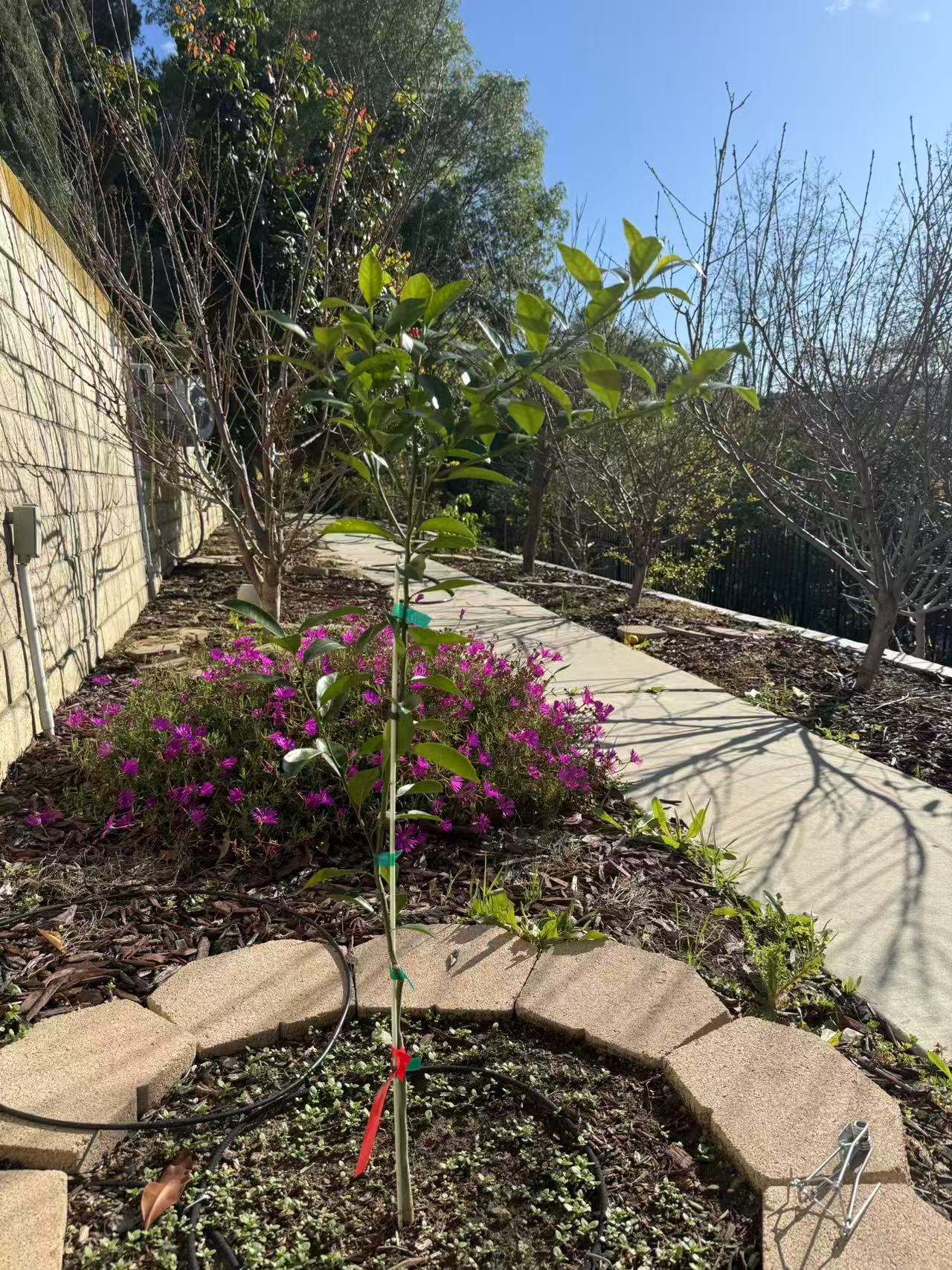
    • Planting Date: January 2026
    • Source: Four Winds Growers
    • Yield Performance: ★☆☆☆☆ (Currently in the establishment phase; known for prolific fruiting once mature)
    • Flavor Profile: Golf-ball-sized fruits that are 100% seedless and incredibly easy to peel. Explodes with a candy-like sweetness and rich citrus flavor.

    📖 Variety Overview

    The Kishu is often considered the “holy grail” of backyard mandarins. Don’t let the tiny fruit size fool you—it packs the most intense and pleasing mandarin flavor available.

    • The Perfect Fit: Grafted onto a semi-dwarf rootstock, this tree will maintain a manageable, compact size, making it ideal for suburban orchards without sacrificing yield.
    • The Seedless Magic: Unlike some mandarins that develop seeds if cross-pollinated by nearby citrus, the Kishu remains reliably and delightfully seedless.
    • Growth Habit: It thrives under the intense Southern California sun. The compact canopy makes it aesthetically pleasing and easy to protect during unexpected cold snaps.

    📅 Precise Ripening Months

    The Kishu is an early-season variety, which is fantastic because the fruit ripens before the highest risks of deep winter frosts:

    • Expected Harvest: November to January.
    • Peak Harvest Month: December (Perfectly timed for the holiday season. The fruit is ready when the rind turns a deep, vibrant orange).

    📝 My Gardening Notes

    • Premium Sourcing: Acquired from the highly reputable Four Winds Growers in January 2026. Starting with top-tier nursery stock is the best investment for a citrus tree.
    • Settling In: Currently going through its acclimatization period. Planting in January allows the root system to settle and expand into the native soil before the stressful heat of summer arrives.

    🛠️ Care & Maintenance

    • No Fertilizer Yet: During this delicate rooting phase, I am strictly withholding all nitrogen fertilizers to prevent root burn. Feeding will begin only after the first flush of spring growth hardens off.
    • Pest Alert (Leafminers): As soon as the weather warms and the tree pushes out tender new leaves, I will deploy Neem Oil to protect against Citrus Leafminer damage, a common local pest.
    • Watering Discipline: Citrus trees hate “wet feet.” I will allow the top few inches of soil to dry out completely between waterings to encourage deep, resilient root growth and prevent yellowing leaves.
  • Washington Navel Orange

    Washington Navel Orange

    🍊 Plant Profile: Washington Navel Orange

    📊 Basic Information

    • Variety Name: Washington Navel Orange
    • Planting Time: Early 2022 (The very first fruit tree in my orchard)
    • Yield Performance: ★☆☆☆☆ (Currently in a recovery and growth phase due to early root damage)
    • Taste Characteristics: Classic California navel flavor; seedless, easy to peel, with plump, juicy flesh and a perfect sweet-to-tart balance.

    📖 Variety Introduction The Washington Navel is the most iconic citrus variety in California and marks the starting point of my journey as an orchardist.

    • Appearance: It features the signature “navel” at the blossom end and develops a brilliant golden-orange rind when ripe. Although the tree isn’t large yet, every new leaf represents its resilient spirit.
    • Flavor Profile: Known for its firm texture and rich flavor. Being seedless and easy to peel makes it the ultimate fresh-eating orange for the whole family.
    • Growth Habit: It thrives in the abundant Rowland Heights sunshine. While not extremely picky about soil, it is very sensitive to root health and requires a steady, reliable water supply.

    📝 My Planting Record

    • The Trials of a Pioneer: As my first tree planted in early 2022, it bore the brunt of my inexperience. I accidentally damaged its roots during planting, which caused its growth to stall and remain weak for several years.
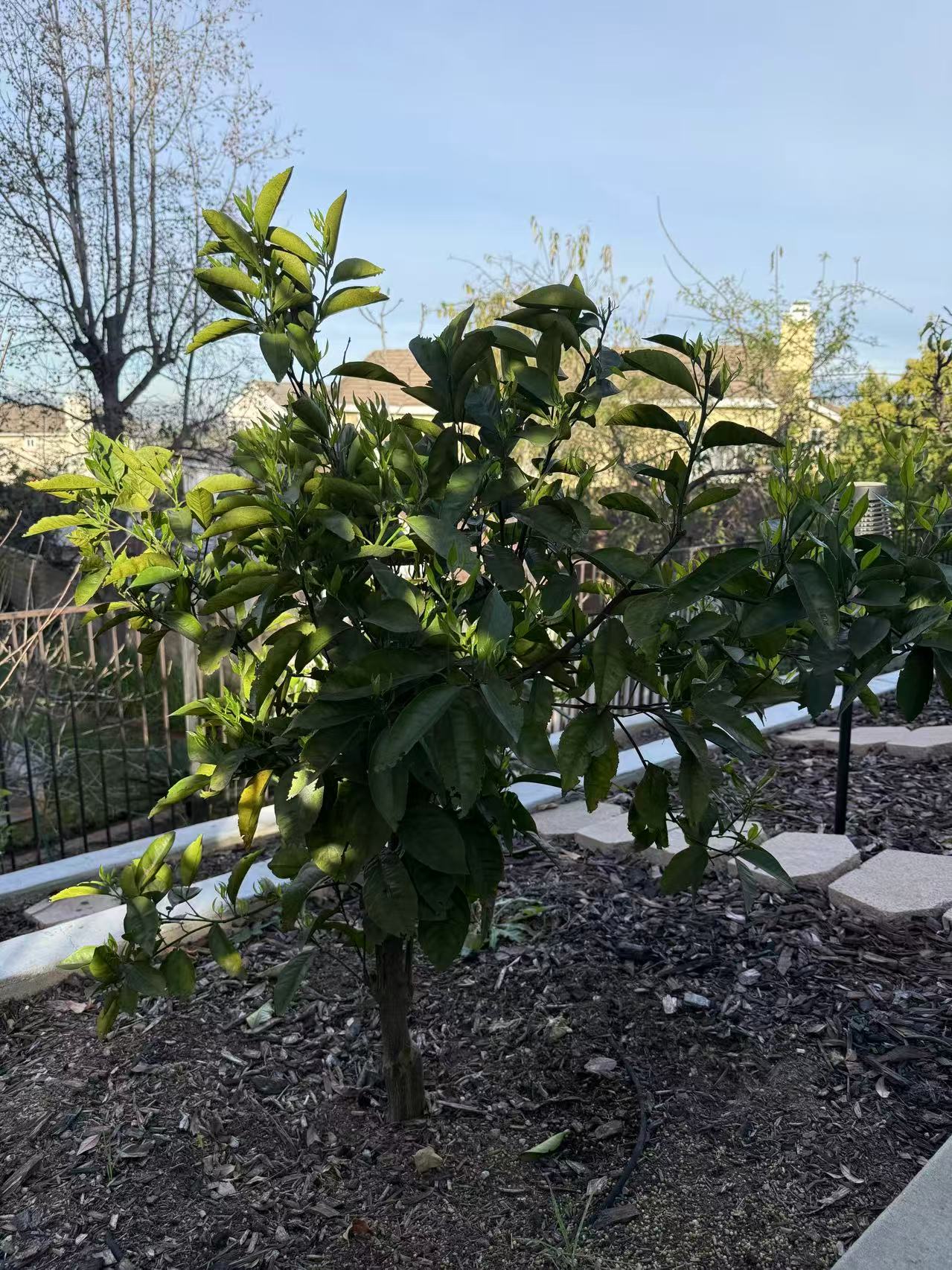
    • The Long Road to Recovery: After three years of patient care and adjustment, it finally began to turn a corner in early 2025. Seeing it push out vibrant green shoots this spring has been an incredible relief.
    • The Battle Against Pests: In its vulnerable recovery state, it faced a massive outbreak of aphids and leafminers right as the new growth appeared. I am now fully committed to a strict pest management routine to ensure these insects don’t derail its comeback.

    🛠️ My Care Essentials

    • Diligent Pest Control: To combat aphids and leafminers, I regularly inspect the undersides of new leaves. I keep organic Neem Oil or horticultural oil ready to spray in the evenings, providing a shield for the tender new growth.
    • Root Rehabilitation: Since the tree suffered “internal injuries” early on, my watering strategy is very precise. I ensure excellent drainage to prevent waterlogging and supplement the roots with seaweed extract to encourage deeper, stronger growth.
    • Frequent, Light Feeding: Because it is in a recovery phase, I avoid heavy, aggressive fertilizing. Instead, I follow a “little and often” approach with specialized organic citrus fertilizer and essential micronutrients to support its spring growth spurt.
    • Patience and Commitment: Growing fruit trees requires time and heart. With proper pest control, nutrition, and sunlight, I am confident this “orchard veteran” will regain its glory and produce the sweetest oranges in the near future.
  • White Guava

    White Guava

    🍐 Plant Profile: White Guava

    📊 Basic Information

    • Variety Name: Common White Guava (Tropical White)
    • Planting Time: Late 2024
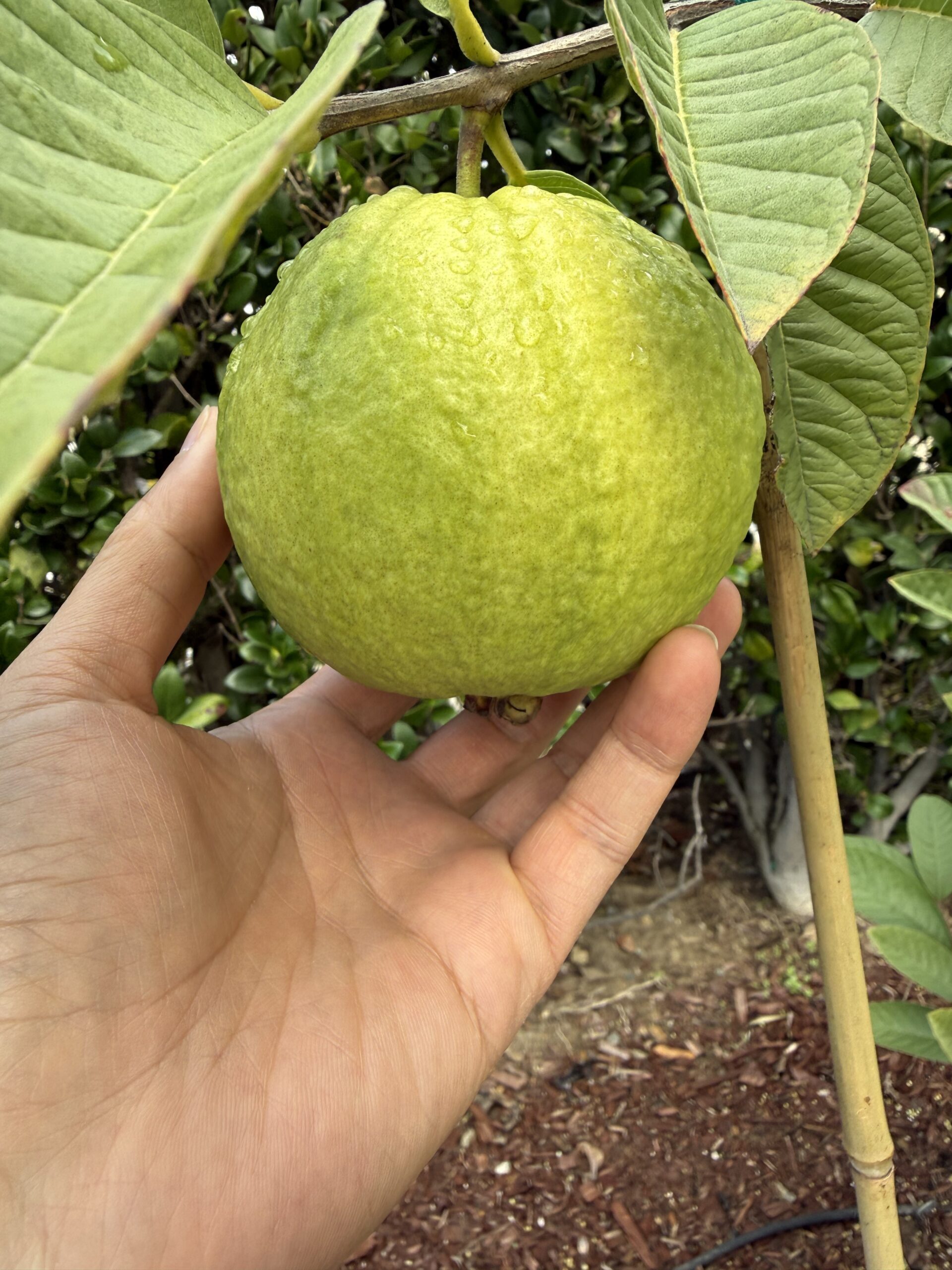
    • Yield Performance: ★☆☆☆☆ (First harvest in late 2025 with 2 fruits; currently in the young tree establishment phase)
    • Taste Characteristics: Crisp white flesh (becomes soft and creamy when fully ripe) with a fresh, intense tropical aroma and a balanced sweetness.

    📖 Variety Introduction I brought this guava home from Home Depot in late 2024. While it might be a “standard” variety, it is hardy, grows vigorously, and fruits quickly—making it a perfect addition to a Southern California backyard orchard.

    • Appearance: The fruits are beautifully spherical with thin, lime-green skin and a slightly bumpy texture.
    • Flavor Profile: It offers the classic tropical white guava flavor—refreshingly fragrant. This variety is excellent when eaten while still crisp (perhaps with a dash of plum powder) or left to fully ripen until soft for a sweeter, more mellow experience.
    • Growth Habit: Guavas thrive in the abundant sunshine of Rowland Heights. They are relatively drought-tolerant once established but respond very well to regular pruning to maintain a manageable shape.

    📝 My Planting Record

    • First Success: When I planted it in late 2024, it was just an inconspicuous little tree. I was pleasantly surprised to see it successfully produce my first 2 fruits by the end of 2025.
    • Future Expectations: While the current yield is small, these two fruits are a great signal that the tree has adapted well. I expect it to enter a much more rapid growth phase in 2026.

    🛠️ My Care Essentials

    • Strategic Pruning: Guava flowers and fruits on new seasonal growth. To double the yield next year, I will prune it in early spring to encourage the growth of more new shoots.
    • Fertilization: Guavas are responsive to feeding. I will regularly apply organic fertilizer, especially during the fruit development stage, to help the tree produce larger, high-quality fruit.
    • Water Management: Although it can handle some dry spells, I use my irrigation system to keep the soil consistently moist during the hot summer months to ensure the fruit stays juicy.
  • Fuerte Avocado

    Fuerte Avocado

    🥑 Plant Profile: Fuerte Avocado

    📊 Basic Information

    • Variety Name: Fuerte Avocado
    • Planting Time: Spring 2022
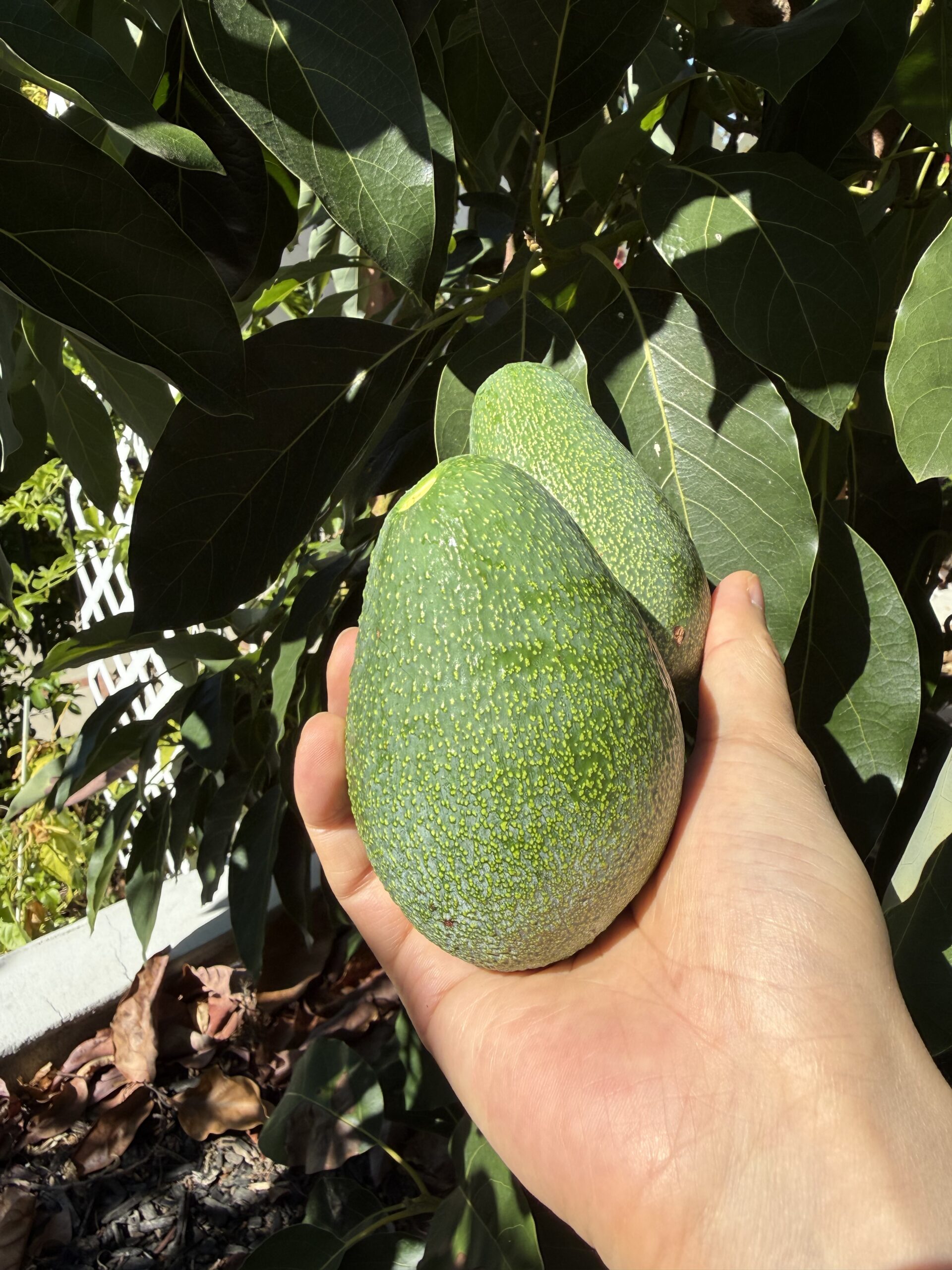
    • Yield Performance: ★★★☆☆ (Currently in its “youth” stage, with a steady annual yield of about 20 fruits)
    • Taste Characteristics: Classic pear-shaped fruit with a thin, smooth skin; the flesh is as creamy as butter with a high oil content and a rich, nutty aroma.

    📖 Variety Introduction “Fuerte” means “strong” in Spanish, and it is one of the most cold-hardy and classic varieties in the avocado world.

    • Appearance: Unlike the common Hass avocados found in supermarkets, the Fuerte’s skin remains a vibrant green even when ripe and does not turn black. Its skin is very thin and peels away effortlessly.
    • Flavor Profile: The texture of the flesh is incredibly smooth with no fiber. For me, it is the top choice for avocado toast or eating fresh with a dash of salt, as that rich, creamy flavor is hard to replace.
    • Growth Habit: The Fuerte is a Type B avocado and has a natural tendency to spread its branches wide. In the sunny environment of Rowland Heights, it requires consistent water management to ensure high-quality fruit.

    📝 My Planting Record

    • Three Years of Growth: I planted this tree in the spring of 2022 and have watched it closely ever since. Although it only gives me about 20 fruits a year right now, each one is a result of my hard work and is of excellent quality.
    • The Dwarf Experiment: I have a clear plan for this tree—I don’t want it to grow into a massive, 30-foot tree that makes harvesting a chore. I am currently using pruning to keep it controlled at under 2 meters (6.5 feet). This keeps it manageable for daily care and keeps the orchard looking tidy and proportional.

    🛠️ My Care Essentials

    • Height Control: This is the core of my maintenance. I regularly “top” the tree and prune lateral branches to suppress apical dominance and encourage outward growth. Two meters is my “red line”—as soon as it exceeds this height, I perform summer pruning to maintain its dwarfed state.
    • Scientific Watering: Avocado roots are very sensitive; they hate both drought and waterlogging. I ensure the soil has excellent drainage and keep the water supply even during the fruiting stage to prevent fruit drop.
    • Nutrient Support: To support the growth of these 20+ fruits, I apply a balanced organic NPK fertilizer. Supplementing with micronutrients just before the early spring bloom is very helpful for improving fruit set.
    • Trunk Protection: Avocado bark is thin and easily scorched by the intense California sun. Since my pruning allows more direct sunlight to hit the trunk, I plan to paint the trunk with a diluted white latex paint to protect it from sunburn.